2 days · 1 night
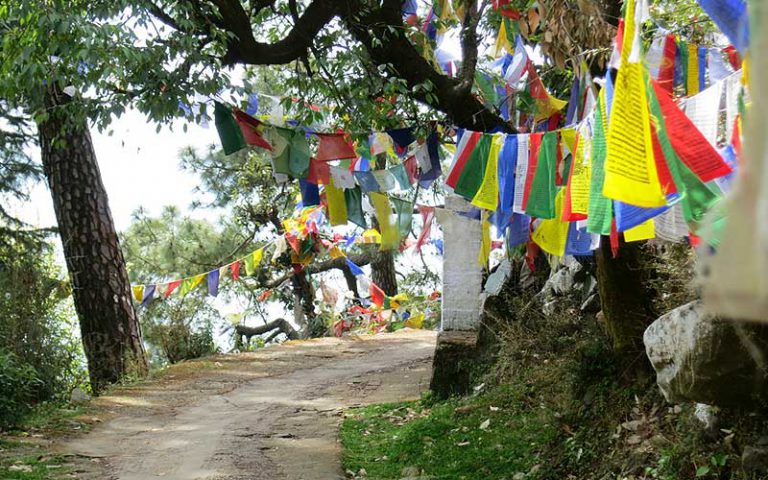
Triund Trek
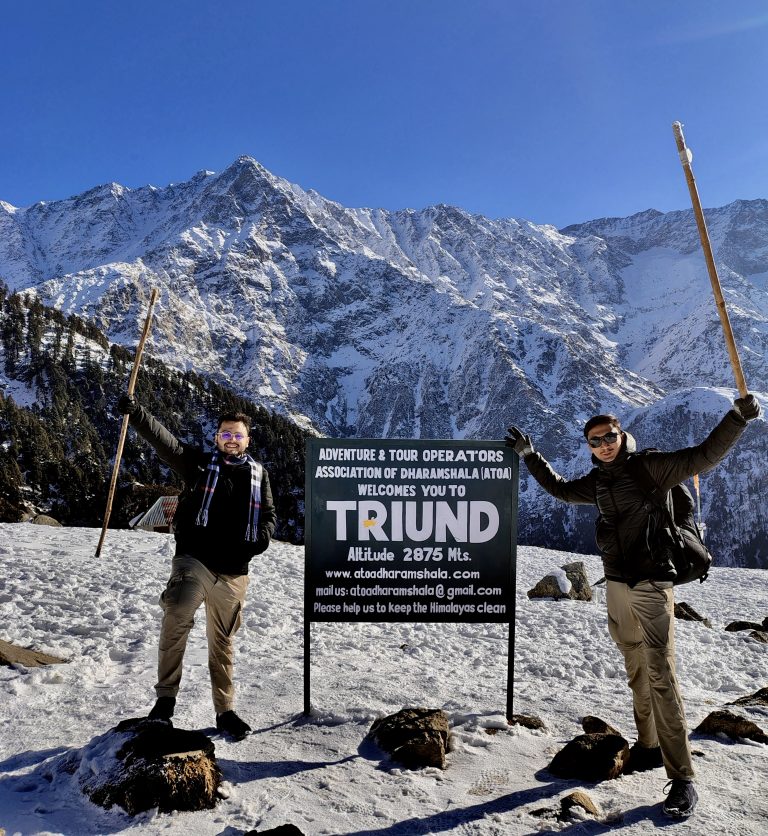
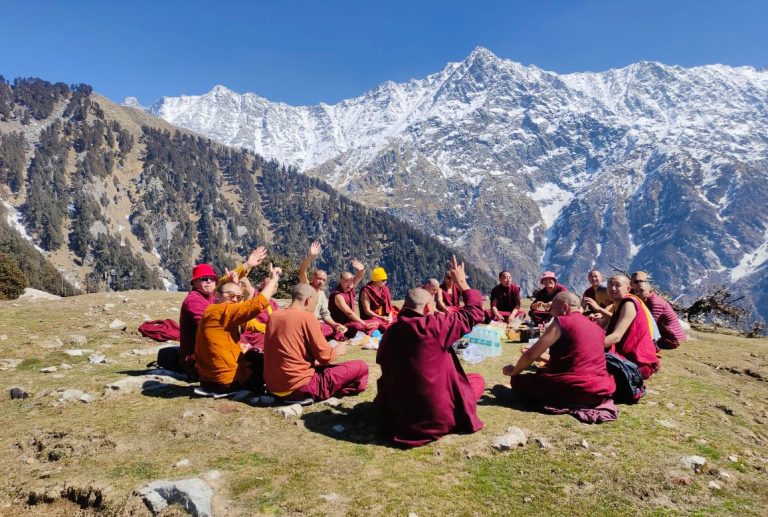
A short mountain escape near McLeod Ganj, with forest trails and views across the Dhauladhar range. Explore the overnight itinerary and confirm the campsite for your dates.
View Triund Trek →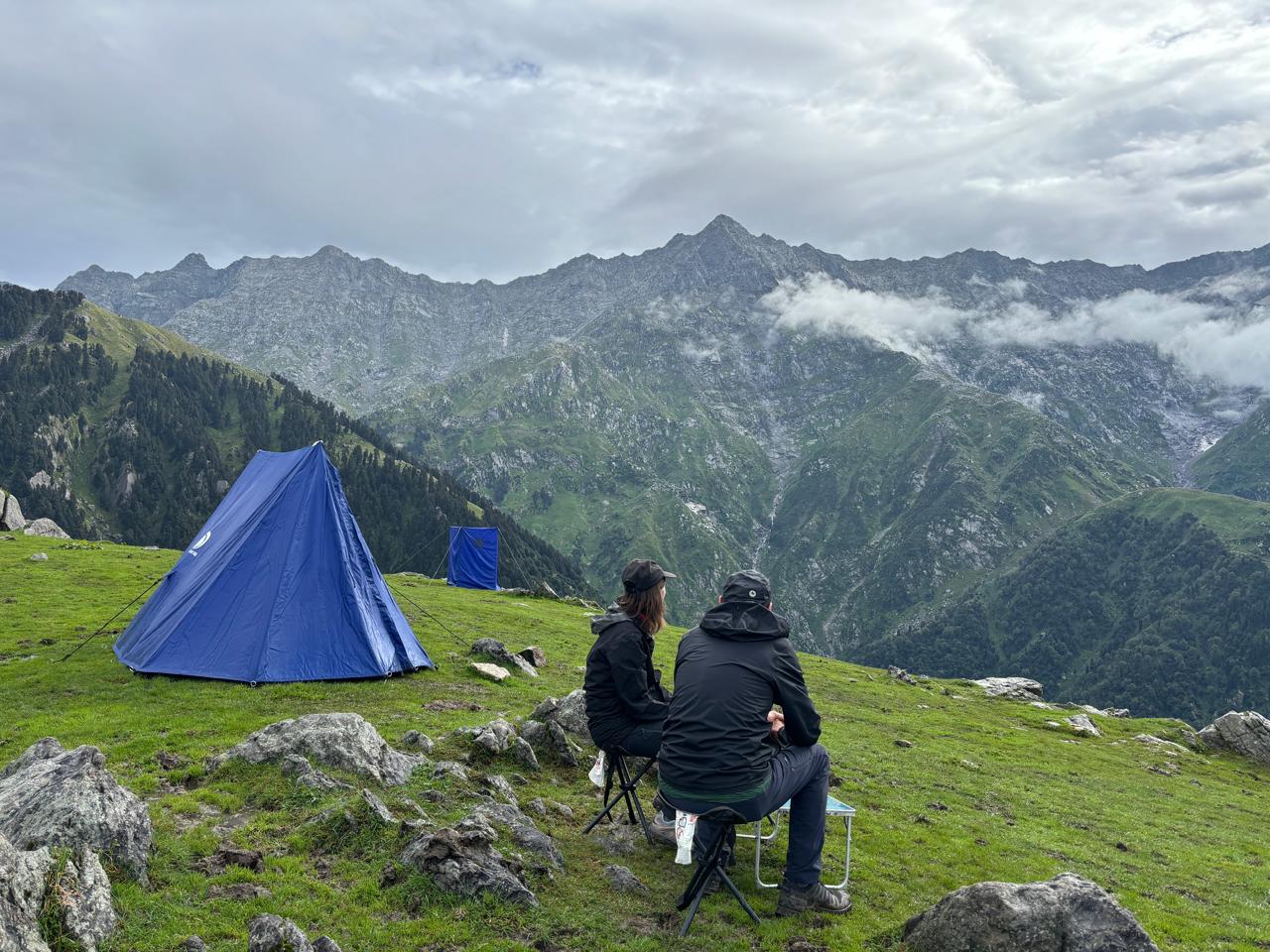
Walk beneath the Dhauladhar peaks, spend a night in the mountains, or explore the culture of North India. Manu Adventures India helps you choose a trek or tour that fits your time, interests and experience.
A day on the trail, a longer mountain journey, or a holiday through India’s cultural landscapes. Start with the experience you want.
Discover Triund, Kareri Lake and longer mountain-pass routes around Dharamshala.
Explore Dhauladhar Treks →Combine mountain towns, cultural landmarks and spiritual destinations.
Explore India Tours →Make the most of a shorter stay with a local hike, cultural outing or adventure enquiry.
Explore Day Trips & Experiences →From a Triund day hike to longer journeys towards Kareri Lake and the high passes, compare the routes and find the right challenge. Ask about current conditions before confirming your plans.
A short mountain escape near McLeod Ganj, with forest trails and views across the Dhauladhar range. Explore the overnight itinerary and confirm the campsite for your dates.
View Triund Trek →Follow the journey towards Kareri Lake and discover a different side of the Dhauladhar mountains. Review the route, walking days and inclusions before choosing your departure.
View Kareri Lake Trek →A demanding mountain crossing for trekkers with hiking experience. Explore the route from McLeod Ganj towards Chamba, then ask about current pass conditions and preparation.
View Chamba Valley via Indrahar Pass →Make time for a longer Dhauladhar journey through mountain terrain. Discuss your experience, equipment needs and route conditions before booking this pass trek.
View Minkiani Pass Trek →Look beyond Triund with a longer mountain itinerary towards Snow Line. Ask the team what is accessible for your dates; snow cover and trail conditions vary.
View Snow Line Trek →Enjoy a full day on the trail and return without an overnight stay. A good option when time is limited; share your fitness level so the team can advise on the route and pace.
View Day Hike to Triund →Bring together mountain scenery, vibrant cities and meaningful cultural stops. Explore these North India itineraries, or tell us what you would like your holiday to include.
Combine Shimla, Manali and Dharamshala with time on the Triund trail. Explore the itinerary for a holiday that brings mountain towns and outdoor experiences together.
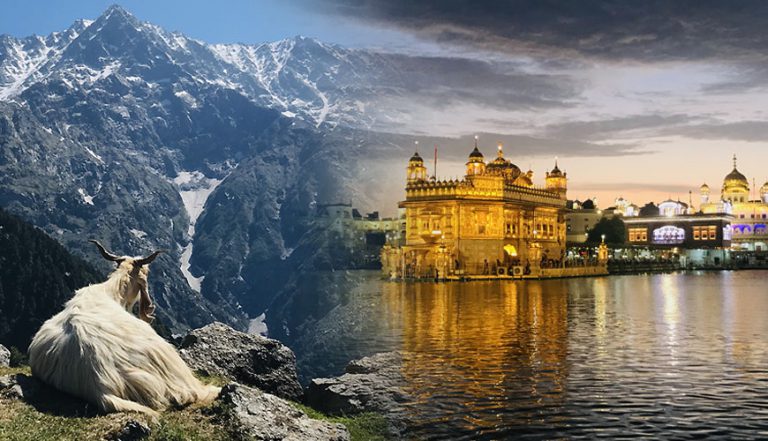
View Himachal Adventure Tour →Discover Delhi, Amritsar and Dharamshala on a journey through city life, cultural landmarks and Himalayan surroundings. See the itinerary and discuss your preferred travel dates.
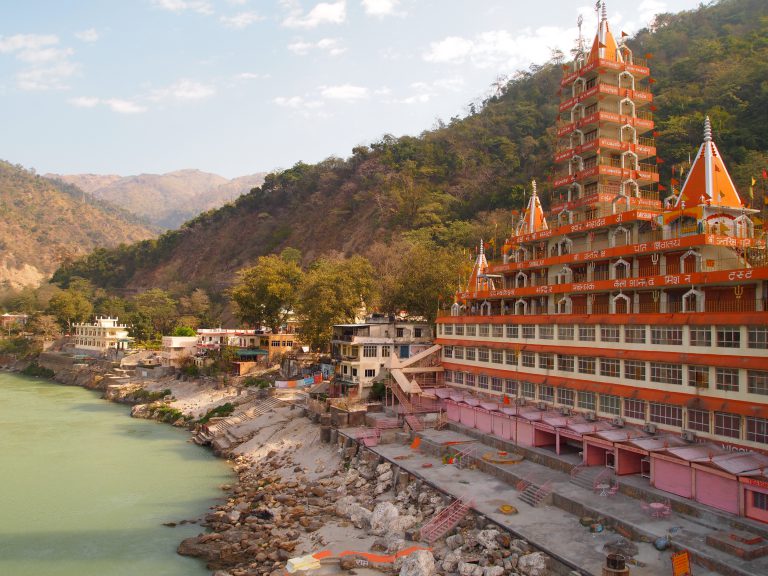
View Incredible North India Tour →Explore sacred places and living traditions across North India. Review a journey that includes Dharamshala, Amritsar, Haridwar and Rishikesh, with time to connect with each destination.
View Spiritual North India Tour →Add a day hike or cultural visit to your stay, or enquire about an outdoor activity that suits your group.
Explore the valley beyond Dharamshala on a local day trip.
Explore Kangra Valley Day Tour →Take a forest walk towards Guna Devi Temple near McLeod Ganj.
Explore Guna Mata Day Hike →Discover the rock-cut temples on a cultural excursion from Dharamshala.
Explore Masroor Temple Tour →Interested in camping, paragliding or another outdoor experience? Ask what is available for your dates and group.
Ask about activities →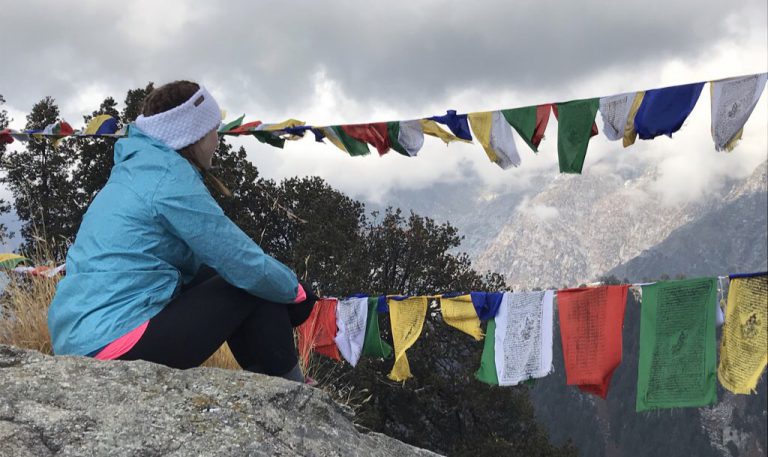
Manu Adventures India is based in Bhagsu Nag, Dharamshala. Our trips bring together trekking in the Dhauladhar mountains, local day experiences and holidays across North India.
Not sure where to begin? Tell us how many days you have, the kind of journey you enjoy and your experience on mountain trails. Start with a conversation about a route that suits you.
Get to know Manu Adventures India →Share your travel dates, group size, interests and walking experience.
Compare a suggested route, trip details and the confirmed quote.
Review availability, inclusions and booking terms before payment.
Every route is different. Before booking, discuss the walking demands, season, equipment, guide arrangements and what happens if conditions change. Confirm the details for your selected itinerary in writing.
Travel thoughtfully: carry your litter back, respect local communities and wildlife, and follow route and campsite guidance.
Read our responsible travel guidance →Explore the customer reviews below alongside the itinerary details, and bring your questions to the team before you book.
Read traveller reviews ↓Keep browsing our destination guides and trip collections.
A Triund day hike or overnight itinerary can be a starting point to discuss with the team. The trail includes steep and uneven sections, so suitability depends on fitness, weather and your walking experience. Share these details before choosing a trek.
Open the trip page to review the itinerary and use its booking or enquiry option. For help choosing, contact Manu Adventures India with your dates, group size and preferred trip. Confirm availability, the final price and terms before making payment.
The right time depends on the route. Triund and high mountain passes have different access conditions, and snow or heavy rain can change plans. Ask for advice for your specific dates rather than relying on a single season for every trek.
Inclusions vary by package. Read the selected itinerary for accommodation, meals, guides, transport and permit details. Ask for a written breakdown of inclusions, exclusions and optional costs before booking.
Contact the team with your destinations, available days, group size and travel preferences to discuss a private or customised itinerary. Availability and pricing depend on the route and arrangements.
Yes. Tell the team whether you are travelling solo or with family, including children’s ages and everyone’s walking experience. Route suitability and any shared departure options need to be confirmed for your dates.
Mountain conditions can require a route change, postponement or cancellation. Before paying, ask how weather changes are handled and read the refund and cancellation policy for your booking.
Ask for the packing list for your chosen route and season. Footwear, warm layers and rain protection are key items to discuss. High passes or snowy conditions may require specialist equipment; confirm the requirements before departure.
More questions? Read our Triund FAQs or contact the team.
Have a trek in mind, or still deciding? Share your dates, group size and interests with Manu Adventures India. Start planning a mountain escape or an India tour that works for you.
Traveller reviews and booking information